The Boston Celtics Face a New Challenge in Maintaining Their Championship Standards
PrimeSportNews | 25 November 2026
immigrationcases.org/
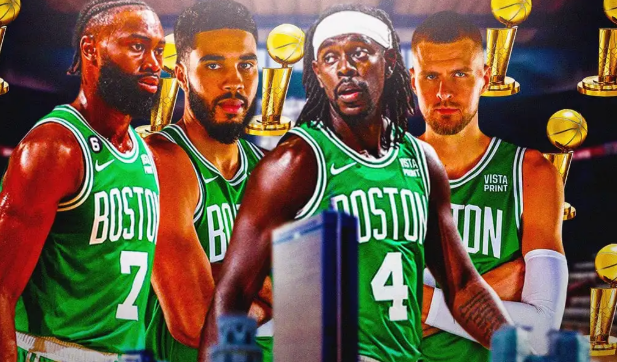
The Boston Celtics enter the 2026–27 NBA season with a familiar ambition but a significantly different team. The franchise remains measured against the standards established by its 2024 championship, yet the roster that once carried Boston to the top has changed. Jaylen Brown is now in Philadelphia, Paul George has arrived, and Jayson Tatum is preparing to lead a reshaped group after returning from a serious Achilles injury.
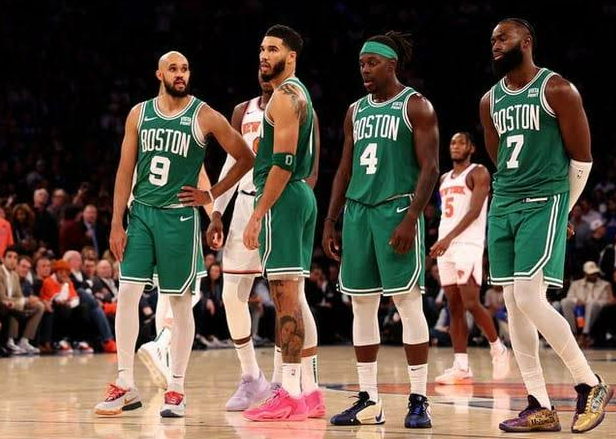
The early results suggest that Boston has not abandoned its competitive identity. On November 16, the Celtics were 11–2, sat atop the Eastern Conference and had won six consecutive games, according to the team’s official report. Their average scoring margin of plus-13.1 was also the best in the NBA at that point. Those numbers provide an encouraging start, but the larger test is whether the new roster can sustain the habits and consistency expected of a championship organisation. (Source: Boston Celtics, November 16, 2026.)
A championship standard built over several seasons
Boston’s recent success was not limited to one title run. The team established itself as a regular-season force through consistent two-way basketball, strong shooting and a deep rotation. NBA.com’s 2026–27 season preview noted that the Celtics ranked among the league’s top five teams on both offense and defense for four consecutive seasons, a rare level of balance.
That history creates both an advantage and a burden. Players joining Boston inherit a system with clear expectations: defend with discipline, move the ball, make the right decisions and remain composed in high-pressure situations. But past achievements do not guarantee future results. A new group must build trust and prove that it can meet those standards together.
The end of the Tatum-Brown partnership changes the team
The most significant change was the departure of Jaylen Brown, who was traded to the Philadelphia 76ers during the offseason. Brown had been a central part of Boston’s rise and was named the 2024 NBA Finals MVP. His departure ended a partnership with Tatum that had defined the Celtics’ core for nearly a decade.
The move brought Paul George to Boston and reflected the financial pressures that increasingly shape roster construction under the NBA’s salary-cap system. The Associated Press reported that the trade was largely a cost-cutting decision, while NBA.com’s season preview described Tatum as the team’s lone established star entering the new campaign. George offers experience and two-way ability, but replacing Brown’s scoring, physicality and familiarity with the system is not a simple one-for-one adjustment. (Source: Associated Press via NBA.com.)
Jayson Tatum’s return puts leadership in focus
Tatum’s availability and performance are central to Boston’s outlook. He missed the first 62 games of the previous season while recovering from an Achilles injury, then returned late in the campaign. A full season with him available would give the Celtics a more stable offensive foundation, but the team must also be mindful of the demands involved in returning to a full workload.
His responsibility now extends beyond scoring. With Brown gone, Tatum must help establish the team’s identity, guide younger teammates and make the players around him more effective. His comments during the early season have emphasised the importance of empowering teammates and trusting them to make plays when their roles expand. That approach will matter as Boston navigates the inevitable challenges of a long season.
Depth and role players are becoming more important
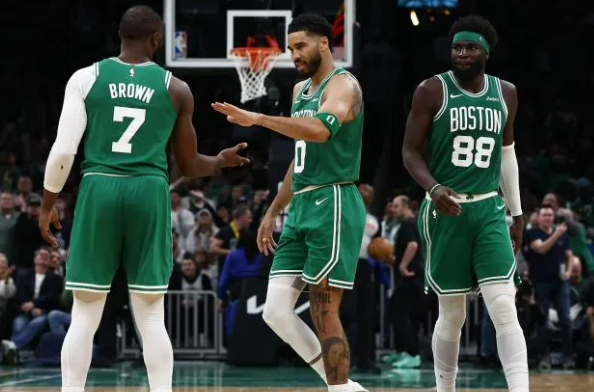
Boston’s new roster places greater emphasis on contributions from its supporting cast. Mike Conley adds veteran experience in the backcourt, while Mitchell Robinson gives the team another interior presence. Young players such as Hugo González and Chris Cenac Jr. also have opportunities to develop within a competitive environment.
The Celtics’ official November 16 report highlighted how the team’s depth has helped its strong start. Tatum pointed to the group’s early connection and described the importance of making every player understand the value of their role. This collective approach can reduce the burden on the primary scorer and help Boston maintain its level when rotations change.
However, depth must translate into reliable performance against elite opponents. Young players will face more demanding defensive assignments, and veterans must remain productive while adapting to different roles. The coaching staff will need to find combinations that preserve Boston’s spacing, defensive communication and ability to execute late in close games.
The offense must remain balanced
Boston’s recent offensive success has been built around spacing and perimeter shooting. Yet NBA.com’s season preview identified a recurring weakness: the Celtics took only 41 percent of their shots in the paint in the previous season, the lowest share in the league for a third consecutive year. Their lack of interior pressure became more costly in the postseason, particularly when outside shots stopped falling.
Mitchell Robinson can add rim-running, offensive rebounding and finishing near the basket. George brings a different offensive profile from Brown, while Tatum remains capable of creating shots at multiple levels. The challenge for head coach Joe Mazzulla is to combine those strengths into an attack that can adapt when opponents take away the three-point line.
A more varied offense does not mean abandoning the style that made Boston successful. It means adding options: attacking the rim, generating free throws, using the big men effectively and making quick decisions when defenses close out on shooters. Those details can become decisive in playoff games when possessions are harder to win.
Financial decisions will continue to shape the roster
The Celtics’ offseason also illustrates how financial rules can influence a contender’s choices. The NBA’s second-apron restrictions make it harder for high-spending teams to add depth and use certain trade mechanisms. Boston’s decision to move Brown was a major example of the tension between retaining a championship core and keeping the roster financially workable.
That does not mean financial flexibility automatically produces a better team. Boston must show that the players acquired and the opportunities created by the move can compensate for the production and leadership it lost. The front office will be judged not only on the immediate results but also on whether it can keep the roster competitive over several seasons.
A strong start is only the beginning
The Celtics’ 11–2 start offers evidence that the reshaped team can compete at a high level. But November standings are only an early indicator. Injuries, schedule difficulty, chemistry and adjustments from rival teams will test Boston as the season progresses.
Maintaining championship standards is therefore about more than winning games. It requires consistent preparation, defensive effort, adaptability and the ability to respond when a weakness is exposed. The Celtics have already shown that they can build a new identity around Tatum and a deeper supporting group. The next challenge is proving that this identity can hold up through the regular season and the demands of the playoffs.
Boston’s championship era has entered a new phase. The names and roles have changed, but the expectations have not. Whether the Celtics can preserve their place among the NBA’s leading teams will depend on how effectively their new roster turns individual talent and early momentum into sustained collective performance.
Next Article
– FIFA’s $20 Billion World Cup Sell-Off Collapsed in Days: What It Reveals About Football Governance
–After Messi and Ronaldo: How Football’s Business Is Hunting for Its Next Global Star
–LeBron James Keeps Making History: How Much Longer Can the NBA Legend Compete