
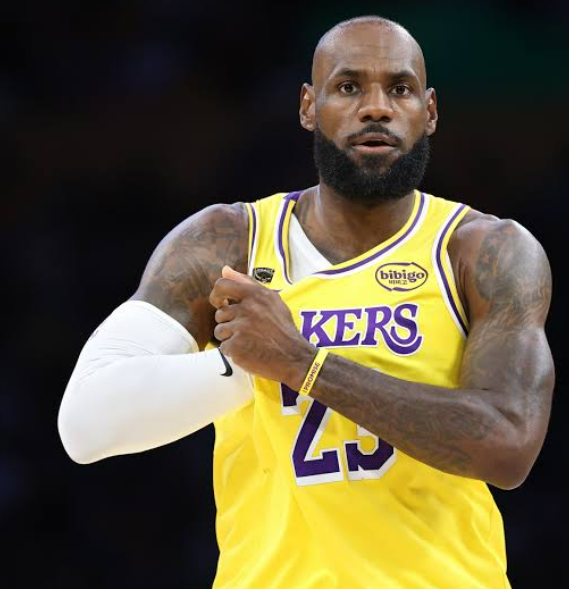
LeBron James Keeps Making History: How Much Longer Can the NBA Legend Compete?
PrimeSportNews | 2 November 2026
At an age when most professional basketball players have long since retired, LeBron James is preparing for another season at the highest level. The NBA’s all-time leading scorer has already stretched the boundaries of career length, but the question surrounding him is no longer simply how many records he can add. It is how long his body, motivation and competitive ambitions will allow him to keep playing.
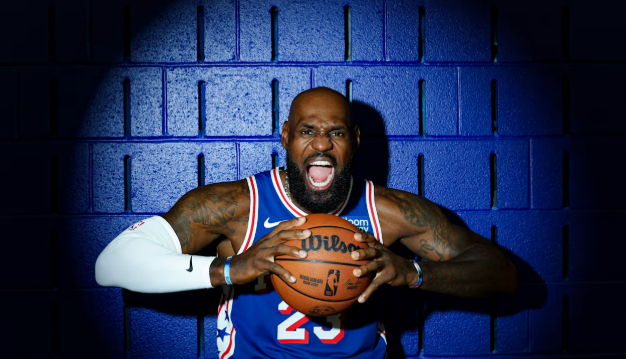
The 2026–27 season gives that question a new setting. James has moved from the Los Angeles Lakers to the Philadelphia 76ers, returning to the Eastern Conference and beginning a record-extending 24th NBA season. At 41, he remains a central figure in the league, but his next chapter is also a reminder that even the most extraordinary careers eventually approach a final act.

immigrationcases.org/
A 24th season unlike any other
James entered the 2026–27 campaign as the first player in NBA history to reach 24 seasons. He had already set the previous mark by playing 23 seasons, moving beyond the 22-season benchmark that no player had previously surpassed. His longevity is not merely a matter of remaining on a roster: he continues to contribute as a scorer, passer and leader.
According to NBA.com’s October 19 statistical review, James entered the season as the league’s career leader in points, games played, minutes, field goals made and field-goal attempts. Those records tell only part of the story. His career averages remain close to 27 points, seven rebounds and seven assists per game — production that would be exceptional for a player in his prime, let alone one entering his 24th season.
His age makes every new milestone more striking. James turned 42 on December 30, 2026, and has spent more than two decades adapting to changes in teammates, coaching systems, defensive schemes and the physical demands of the league. The ability to remain effective across so many eras is one of the defining features of his legacy.
Why LeBron chose another season
Retirement appeared possible after the 2025–26 season. James acknowledged that he needed time to consider whether he still wanted to compete, and his eventual decision made clear that the motivation remained. In July 2026, he announced that he would continue playing and described his move to Philadelphia as his “last decision,” emphasizing his desire to compete for another championship.
NBA.com reported that James signed a two-year contract with the 76ers, with a player option for 2027–28. The agreement gives him a path to continue beyond this season, but it does not guarantee that he will use that option. The decision will depend on his health, the team’s prospects and whether the daily demands of an NBA season remain worthwhile.
His stated motivation is revealing. James has already secured the records and accolades that define an all-time great career. He has won four championships with three franchises and earned four Finals MVP awards. What remains is the pursuit of another title and the challenge of helping a new team reach the highest level.
A new challenge in Philadelphia
Joining the 76ers changes the context of James’ final seasons. He spent eight years with the Lakers, won a championship in 2020 and became a defining figure of the franchise’s modern era. Philadelphia offers a different challenge: a new fan base, a different roster and the opportunity to compete alongside established stars such as Joel Embiid and Tyrese Maxey.
The move also gives James a chance to influence a franchise with championship ambitions. Philadelphia has not won an NBA title since 1983, and the organization has been searching for a roster capable of advancing deep into the playoffs. James brings experience in high-pressure games and a detailed understanding of what championship teams require.
That does not mean the fit will be automatic. The 76ers must manage the availability of key players, establish clear offensive roles and build chemistry during a demanding season. James is no longer expected to carry every possession as he once did. His value may be greatest when he can control stretches of the game, create opportunities for teammates and conserve energy for decisive moments.
How his game has evolved with age
James has remained effective partly because he has not relied on athleticism alone. His early career was built on extraordinary speed, strength and the ability to attack the rim in transition. Over time, he has developed into a more deliberate organizer, using strength to establish position, reading defensive rotations and creating shots for teammates before a defense can recover.
His passing remains one of his most durable strengths. The game has slowed down for him in a tactical sense: he recognizes coverages, anticipates help defenders and can exploit small advantages with a pass. His scoring has also become more selective, with greater emphasis on choosing the right moments to attack rather than forcing constant high-volume drives.
That evolution is essential to his longevity. A player cannot maintain the same physical workload indefinitely. Adjusting responsibilities, sharing playmaking duties and managing minutes can help extend a career, although they cannot eliminate the risks of age, injury or accumulated fatigue.
The physical limits of an unprecedented career
Even with elite conditioning and a long record of availability, James faces the same biological realities as every athlete. Recovery can take longer, minor injuries can become more disruptive and the schedule leaves limited time to rest. The NBA season includes travel, back-to-back games and the additional intensity of playoff basketball.
The 2025–26 season offered a reminder that workload management matters. NBA.com noted that James played 60 regular-season games for the Lakers, averaging 20.9 points, 6.1 rebounds and 7.2 assists. Those numbers remained productive, but the number of appearances was lower than a full 82-game schedule. A reduced workload can preserve effectiveness, yet it also requires a team with enough depth to manage his absences.
Philadelphia must therefore think beyond the nightly box score. The goal should be to keep James healthy and impactful when the most important games arrive. That means monitoring minutes, avoiding unnecessary physical demands and ensuring that other playmakers can lead the offense when he rests.
Which records could he still reach?
James has already claimed the NBA’s all-time scoring record, so the remaining milestones are increasingly specialized. NBA.com’s October 2026 review identified several career lists where he could move higher, including assists, two-point field goals and steals. He entered the season fourth in career assists, within reach of Jason Kidd’s third-place total and with Chris Paul’s second-place mark further ahead.
These pursuits are meaningful because they demonstrate the breadth of his game. James is not only a scorer; he has spent his career functioning as a primary creator, rebounder and defensive playmaker. But records are unlikely to be the main reason he continues. His own comments point toward competition and the possibility of another championship as the stronger motivation.
What would make retirement the right decision?
There is no reliable public timetable for James’ retirement. The two-year agreement with Philadelphia creates flexibility, but the choice will ultimately be personal. Several factors are likely to shape it: whether he can stay healthy, whether he still enjoys the daily routine, whether the 76ers remain a credible contender and whether his family and personal priorities point toward a different chapter.
Performance will matter, but it may not be the only measure. James could decide to retire while still capable of contributing if the physical cost becomes too high. Conversely, if he remains healthy and believes he can help a contender, another season may feel worthwhile even if his minutes and statistics continue to decline.
The most sensible way to assess his future is to avoid treating every strong performance as proof that he can play indefinitely, or every missed game as evidence that the end is immediate. His career has repeatedly defied expectations, but the final decision will depend on information only James and those closest to him can fully assess.
His legacy is already secure
James does not need another championship to validate his place in basketball history. His four NBA titles, four Finals MVP awards, four regular-season MVPs, record scoring total and sustained excellence across different teams have already created a case that will be debated for generations.
His influence also extends beyond statistics. He has helped shape the modern player’s role as an organizer and decision-maker, demonstrated how a superstar can adapt across multiple roster constructions and built a long career that includes substantial work in philanthropy and business. His longevity has become part of the story itself.
There will always be arguments about where he ranks among the greatest players ever. But the more distinctive achievement may be the length of time he has remained relevant at the center of the sport. Very few athletes have been able to lead teams, change franchises and remain productive across more than two decades.
How much longer can LeBron James compete?
The honest answer is that nobody outside James’ inner circle can know. His contract gives him the option of another season after 2026–27, and his continued production suggests that he can still contribute. Yet the physical and emotional demands of the NBA make every additional year a decision rather than an inevitability.
For Philadelphia, the immediate task is to make the most of the season in front of it. For fans, the opportunity is to appreciate a career that has already lasted longer than any other in league history. Whether James plays one more season or several, his place in NBA history is secure.
LeBron James keeps making history because he has continually found ways to adapt. The final chapter will be defined not only by how long he plays, but by how deliberately he chooses to end one of the most remarkable careers professional basketball has seen.
Next Article
– FIFA’s $20 Billion World Cup Sell-Off Collapsed in Days: What It Reveals About Football Governance
–After Messi and Ronaldo: How Football’s Business Is Hunting for Its Next Global Star