
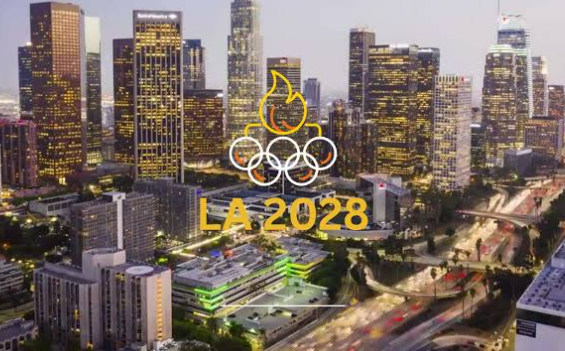
The Road to Los Angeles 2028 Is Accelerating as Olympic Preparations Expand
PrimeSportNews | 2 November 2026
immigrationcases.org/
The Los Angeles 2028 Olympics are moving from long-term planning into a more demanding phase of delivery. With the Olympic Games scheduled for July 14–30, 2028, and the Paralympic Games following from August 15–27, organisers and public authorities are stepping up work on transport, venues, security, volunteers and the services needed to welcome athletes and spectators from around the world.
The preparations extend well beyond stadiums. They involve a wide network of city, county, state and national partners, as well as businesses and community organisations. The challenge is to stage a major international event while ensuring that investment and operational improvements leave useful benefits for Los Angeles after the closing ceremonies.
California strengthens coordination ahead of LA28
A significant development came on October 30, 2026, when California Governor Gavin Newsom announced a state-level delivery and coordination strike team for the 2028 Olympic and Paralympic Games. The initiative brings together more than a dozen state agencies and departments to coordinate planning with local governments, federal partners and the LA28 organising committee.
The team is intended to improve operational planning, communication and permitting, while helping align public resources around transport, public safety and workforce opportunities. The move reflects the scale of the task: the Games will affect multiple communities and require decisions that cross municipal and departmental boundaries.
California has also announced infrastructure support. State-backed projects include $96.5 million to modernise Exposition Park, followed by an additional $7 million announced in September; $257 million for mobility hubs in Southwest Los Angeles County; $2.45 million for improvements at four transit stations; and $252 million for upgrades to the Games Route Network. These figures describe announced investments and projects, not a single consolidated Olympic budget.
Existing venues are central to the Games plan
One of LA28’s defining choices is to rely heavily on venues that already exist rather than build a new generation of permanent stadiums. The International Olympic Committee says no new permanent sports venues are planned. Instead, organisers are combining established facilities with temporary structures and event-specific adaptations.
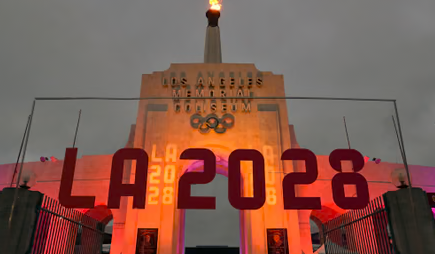
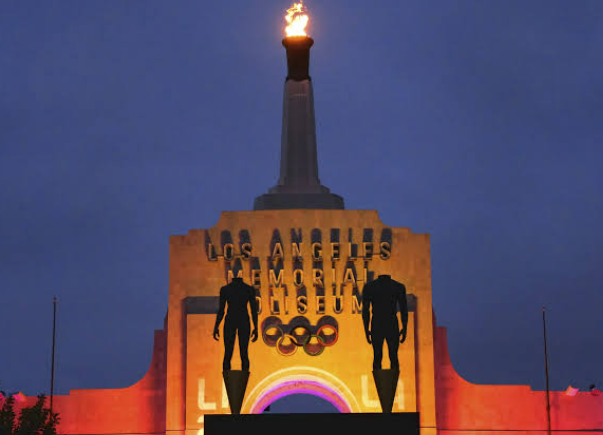
The approach draws on Los Angeles’ history as an Olympic host in 1932 and 1984. The Los Angeles Memorial Coliseum is set to become the first stadium to host events at three different Summer Olympic Games. The Rose Bowl is also part of the region’s established sporting infrastructure, while competition venues will be distributed across several zones in Southern California and beyond.
Reusing facilities can limit construction costs and reduce the environmental footprint associated with large new projects. However, it does not remove the need for careful planning. Existing venues must meet modern requirements for accessibility, athlete services, broadcast operations, crowd management and transport connections. Temporary installations must also be built, operated and removed efficiently.
Transport and mobility remain major tests
Los Angeles is known for its car-oriented urban layout, making spectator mobility one of the most closely watched parts of the preparations. LA28’s stated strategy is to prioritise public transport, walking and cycling for ticketed spectators, supported by additional bus capacity, park-and-ride facilities and mobility hubs.
The state’s Games Route Network project is intended to improve key corridors and the technology used to manage movement around event locations. Transit-station upgrades and regional mobility investments are also designed to help residents and visitors reach venues more reliably.
The real test will come when large numbers of spectators, workers, athletes and media representatives need to move across the region at the same time. Transport plans must work not only on paper but also during peak periods, while preserving access for residents who are not attending Olympic events.
Global demand is already shaping the fan experience
Interest from spectators has provided an early indication of the Games’ international reach. In an update presented to the IOC Coordination Commission in June 2026, LA28 reported that more than four million tickets had been sold during its initial sales activity, with buyers from 85 countries. The IOC also reported that nearly 300,000 people had expressed interest in receiving information about volunteering.
Ticketing is continuing in stages. LA28’s official ticketing information says the next general-public opportunity to purchase Olympic tickets is planned for 2027, when first-come, first-served sales are expected to begin. The first Paralympic ticket release is also scheduled for 2027. Availability and procedures can change, so international fans should rely on the official LA28 ticketing website rather than unauthorised resellers.
Volunteer interest is another important measure of public engagement. Volunteers will support areas such as visitor guidance, event operations and community activities. Recruiting and training a workforce at this scale requires clear scheduling, accessible information and coordination across multiple venues.
Economic opportunities and community legacy
The economic case for hosting the Games is not limited to visitor spending during a few weeks. Organisers and public authorities are also seeking to connect procurement, temporary employment, tourism and local business participation with longer-term development. LA28 has said it aims to direct 75 per cent of addressable procurement spending to businesses in the Greater Los Angeles region, including 25 per cent to small businesses.
Community programmes are part of that legacy effort. The PlayLA initiative has expanded access to Olympic and Paralympic sports for young people, while LA28’s sustainability and resilience work includes support for wildfire resilience, nature restoration, ocean protection and urban cooling projects. These programmes matter because the value of a major sporting event is increasingly judged by what remains after the international spotlight moves elsewhere.
Still, economic benefits are not automatic. Local businesses need practical access to contracts, workers need training that matches real opportunities, and public investment must be measured against costs and community priorities. Transparent reporting will be essential to show whether the Games deliver benefits beyond headline projections.
A demanding countdown to 2028
Los Angeles has experience hosting the Olympics, but the 2028 edition brings a new combination of expectations: a region-wide event footprint, a major Paralympic programme, complex transport demands and greater scrutiny of sustainability and public value. The coordination structure and infrastructure investments announced in 2026 show that preparations are advancing, but they also underline how much work remains.
The road to LA28 will be judged not simply by whether venues are ready on opening day. It will also be judged by whether athletes and spectators can move safely, whether communities share in the opportunities, and whether the city is left with stronger systems and accessible sporting programmes. For Los Angeles, the next two years are about turning an ambitious Games plan into a practical experience that works for both the world and the people who call the region home.
Next Article
– FIFA’s $20 Billion World Cup Sell-Off Collapsed in Days: What It Reveals About Football Governance
–After Messi and Ronaldo: How Football’s Business Is Hunting for Its Next Global Star
–LeBron James Keeps Making History: How Much Longer Can the NBA Legend Compete